
401(k) Plan Audits without Being the Intermediary
Most EBP audits stall in the same place: your HR or finance team fielding data requests they can’t answer, forwarding them to the TPA, then chasing the response back. We eliminate that bottleneck by connecting with your TPA directly — fewer handoffs, faster fieldwork, less disruption to your team.
ERISA-Compliant Plan Audits
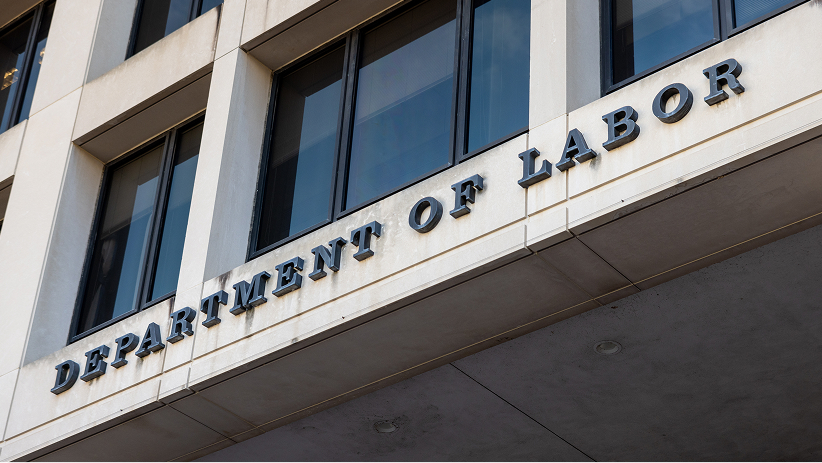
Plans with 100 or more eligible participants are generally required to file an audited Form 5500 with the Department of Labor. We perform ERISA Section 103(a)(3)(C) audits in accordance with AICPA EBPAQC standards, with particular attention to the testing areas that trigger DOL inquiries.
What we cover:
Audits Under One Roof
Most institutions juggle two or three audit firms for their financial statements, Title IV compliance, and employee benefit plan, each with its own onboarding, its own document requests, and overlapping questions from auditors who never compare notes. One firm doing all three means your financial data informs the compliance work, your compliance posture gives context to the financials, and your EBP audit moves faster because we already know your structure, your systems, and your people. Fewer disruptions, shorter total audit cycles, and no gaps that only surface because two firms never talked to each other.

Built for Higher Education Employer Realities
Postsecondary employers have payroll patterns that don’t fit a generic plan audit template. Academic-year vs. calendar-year compensation, adjunct and contract faculty eligibility, enrollment-tied hiring spikes, and tuition reimbursement programs all introduce testing nuances that a generalist auditor will miss or over-flag. We’ve seen them all, and our testing programs are built around them.

We Understand Your Compliance Challenges
Every client we work with faces real regulatory pressure, and the stakes are too high to navigate compliance alone. We built our practice entirely around higher education because this industry demands a specialist, and because you deserve that peace of mind.



401(k) Plan Audit FAQs
Generally, when your plan has 100 or more eligible participants at the beginning of the plan year, you are required to file an audited Form 5500. The 80-120 rule allows some flexibility for plans that fluctuate around the threshold, but once a plan files as a “large plan filer,” it must continue to file with an audit until participation drops materially.
A limited-scope audit, now formally an ERISA Section 103(a)(3)(C) audit, allows the auditor to rely on a qualified institution’s certification of investment information, narrowing the scope to non-investment areas. A full-scope audit tests investment activity in addition to everything else. The 103(a)(3)(C) approach is appropriate for most plans with qualified custodians.
Form 5500 is due seven months after the plan year-end: July 31 for calendar-year plans. A Form 5558 extension pushes the deadline to October 15. Missing the deadline triggers DOL penalties that compound daily, and late filings increase scrutiny on future filings.
Yes. Independence rules for plan audits are different from rules for SEC-registered companies — there’s no prohibition on the financial statement auditor also performing the plan audit. Most of our postsecondary clients use us for both, and the coordination eliminates significant duplicated work.
Most operational errors — late deferrals, eligibility mistakes, definition-of-compensation issues — can be corrected through the IRS Voluntary Correction Program (VCP) or DOL Voluntary Fiduciary Correction Program (VFCP). Self-correction is also available for many operational failures. We walk you through the correction path before any finding is reported.
Let’s Talk About Your Compliance Needs
Connect with our team to discuss how we can support your institution’s compliance and financial health.

Higher Ed Compliance Insights